

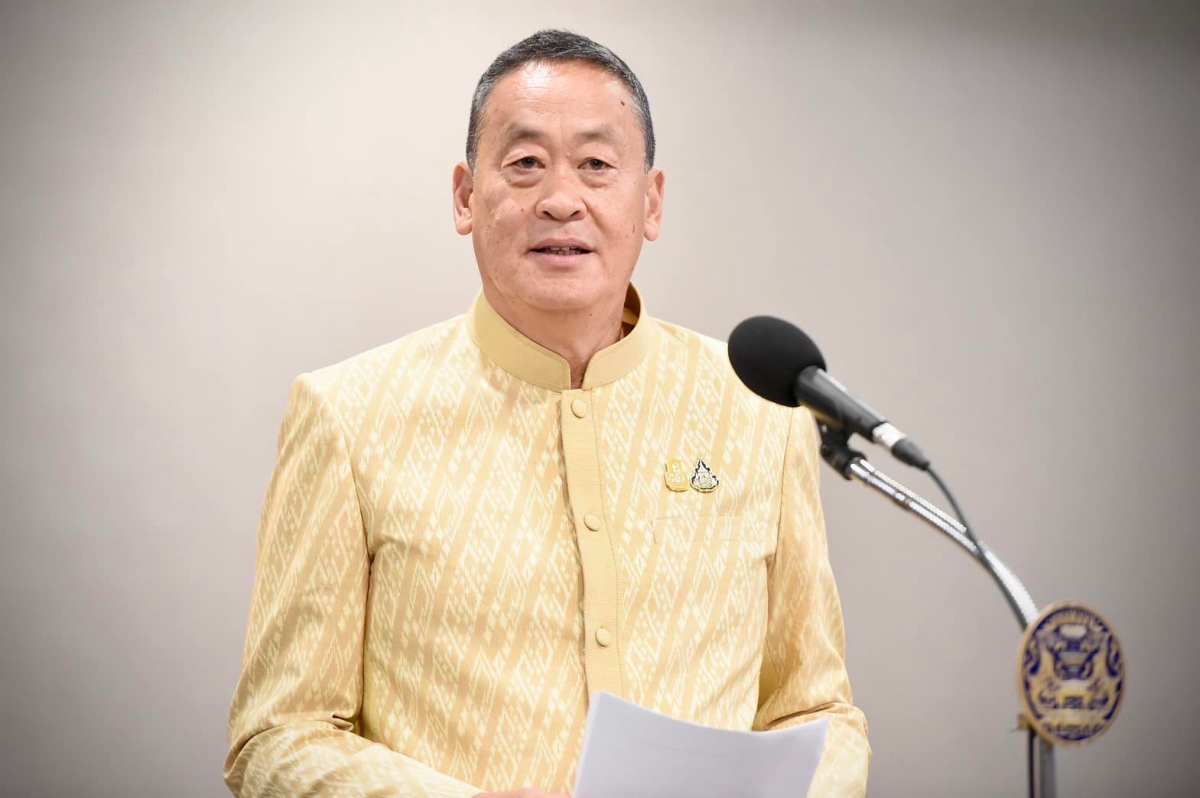
The recent announcement by Prime Minister Srettha Thavisin to outlaw cannabis in Thailand, the first country in Asia to legalize the drug two years ago, has sparked significant public debate and raised concerns about its potential impact.
In his statement, Prime Minister Srettha emphasized the need to amend the list of narcotics and restrict the use of cannabis to medical purposes only. This marked shift in policy comes in response to growing apprehensions surrounding the unregulated availability of the drug, with particular emphasis on preventing its access by children and addressing the rise in related criminal activities.
Since the decriminalization of cannabis in 2022, public sentiment has shifted due to the disparities between the initial intention of medicinal use and the unregulated state of the market. This has prompted widespread concern over potential misuse and its association with rising criminal activities.
The decision to decriminalize cannabis in 2022 was primarily championed by the Bhumjaithai Party, aiming to create agricultural opportunities for farmers in the impoverished northeast of the country. However, with the emerging concerns and public backlash, several major political parties, including the Bhumjaithai Party, made commitments in the 2023 elections to limit cannabis use exclusively for medical purposes.
Unsurprisingly, the proposed re-criminalization has encountered opposition from cannabis advocates and entrepreneurs who argue that it would have detrimental effects on the economy. They highlight the significant role that legal cannabis has played in driving various sectors, such as tourism and farming, and its contribution to a flourishing market with numerous cannabis retail outlets across the country.
The proposed changes have prompted considerable discussions about the future of cannabis regulation in Thailand. As the public and various stakeholders continue to engage in dialogue regarding the potential ramifications, it remains to be seen how the government will balance the concerns over unregulated access and misuse with the economic opportunities that legal cannabis has brought to the country.
The announcement by Prime Minister Srettha Thavisin has undoubtedly placed cannabis regulation at the forefront of national discourse in Thailand. The potential impact of these proposed changes on the economy, public health, and regulatory framework is complex and multifaceted, making it imperative to carefully consider the implications of reinstating cannabis prohibition in the country.
 Market Capital Research