

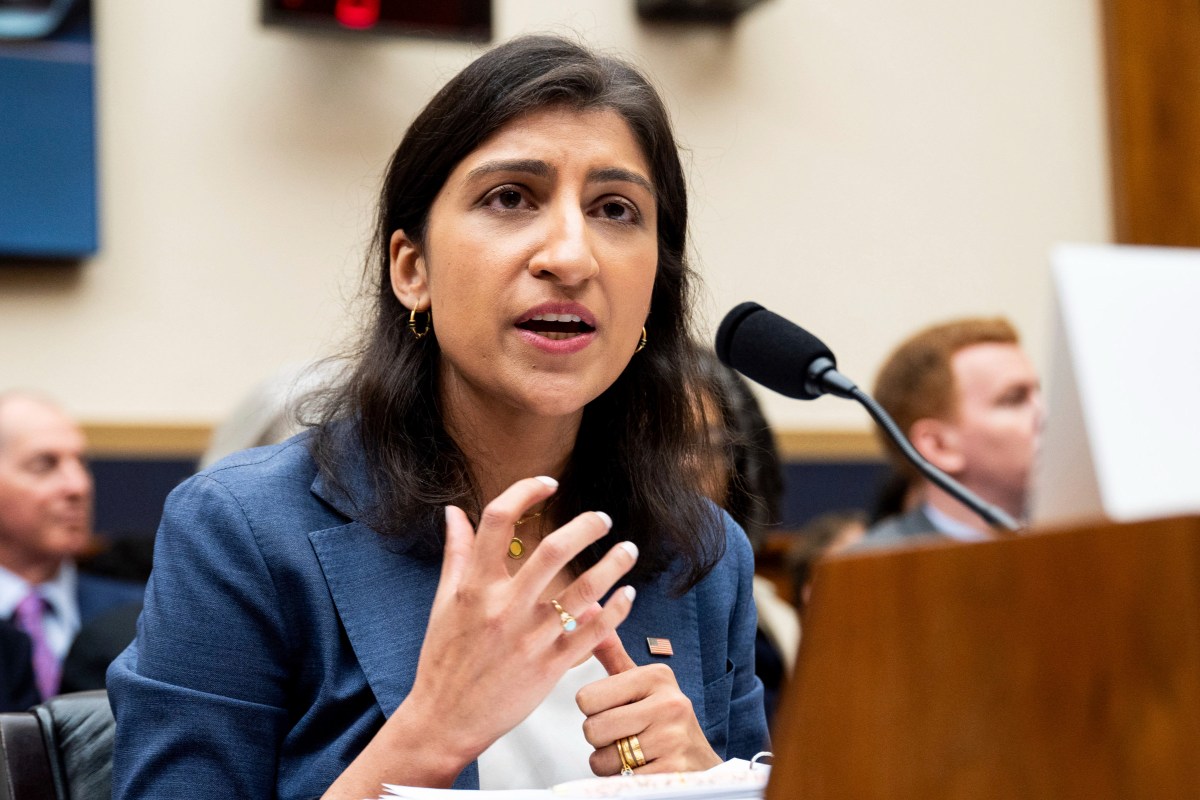
New technologies are shaping the landscape of antitrust regulation, raising concerns over price fixing and discrimination in the consumer market. Lina Khan, the chair of the Federal Trade Commission (FTC), highlighted the potential risks posed by algorithms in fixing prices without explicit coordination, presenting a unique challenge for regulators to address. This signals a potential shift into a novel era of pricing dynamics, demanding a proactive and vigilant approach from antitrust regulators.
Khan’s proactive stance reflects a broader trend in heightened antitrust scrutiny, as evidenced by a record number of merger challenges and successful interventions by the FTC and the Justice Department. The recent blockage of Illumina’s acquisition of Grail and the launch of healthycompetition.gov underline the commitment of regulatory authorities in maintaining fair and competitive markets, particularly in the health care industry.
However, the increased regulatory activities have not been without opposition, with industry groups expressing concerns over the perceived hostility towards mergers. Nevertheless, the FTC remains steadfast in its stance against price fixing, emphasizing that algorithms do not provide an exemption from antitrust laws.
Moreover, the use of artificial intelligence and algorithms to personalize pricing based on individual consumer data has raised alarm bells, prompting the FTC to deepen its scrutiny. The evolving strategies of companies in maximizing profits, such as vertical integration in health care, further underscore the need for a proactive approach to protect consumers from potential harm.
The recent ban on “noncompete” clauses in low-wage industries, including healthcare, highlights the FTC’s commitment to addressing practices that impede labor mobility and patient care. The public response from healthcare workers underlines the personal and professional toll of restrictive employment agreements, confirming the far-reaching implications of antitrust interventions in the healthcare sector.
As technology continues to reshape market dynamics, the FTC is prioritizing the integration of technologists to effectively navigate and understand complex algorithms. This strategic investment has already borne fruit in facilitating legal actions that would not have been possible without the expertise brought in by technologists.
 Market Capital Research