

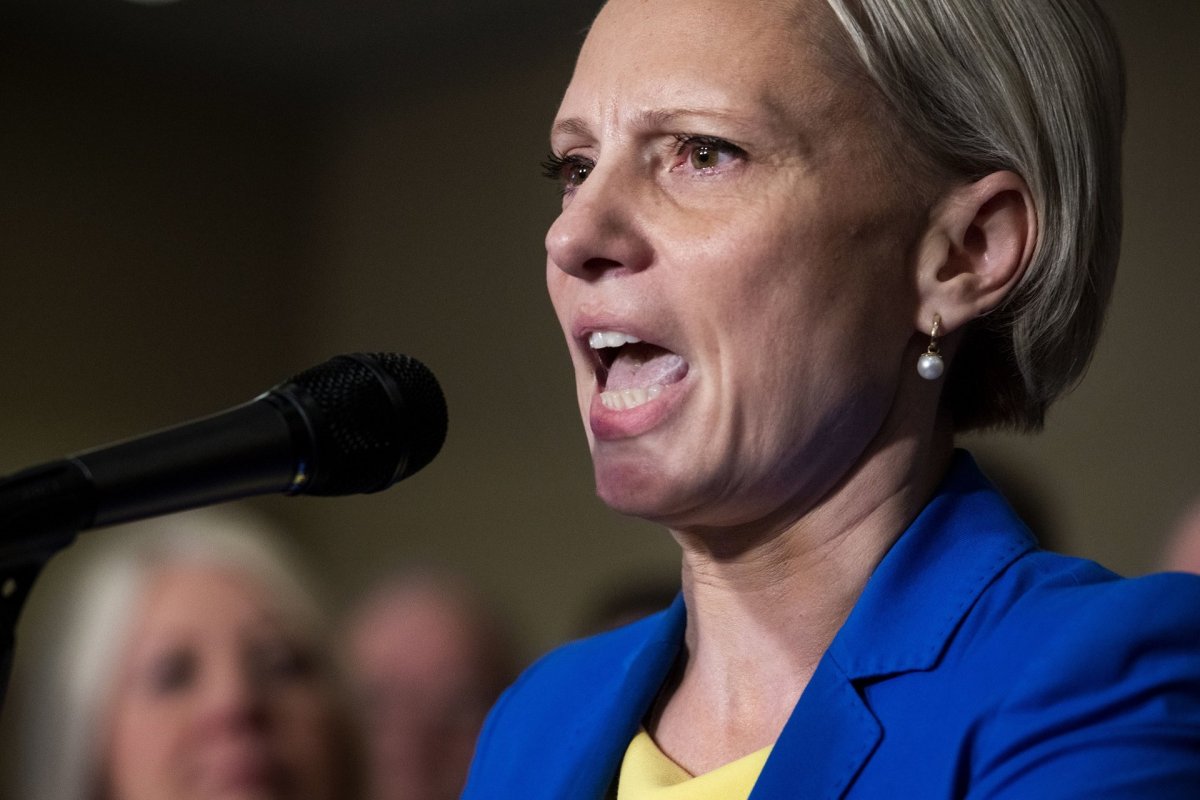
Ukraine’s war with Russia has not only shaken the geopolitical landscape but has also stirred spirited debates within the U.S. Congress. Amidst this is U.S. Rep. Victoria Spartz, the sole Ukrainian-born member of Congress. Her stance on the recent $61 billion aid package for Ukraine has sparked much discussion, highlighting the delicate balance between international support and domestic priorities.
Representative Spartz has drawn attention for her decision to vote against the substantial aid package, instead advocating for improved oversight of U.S. funds and caution against providing “blank checks” to the Ukrainian cause. Her emphasis on U.S. border security as a greater priority has resonated with conservative House Republicans and reflects the sentiments of her constituents in central Indiana, setting the stage for a tough reelection battle in the upcoming GOP primary.
The aid package, encompassing assistance not only for Ukraine but also for Israel, Taiwan, and other global hot spots, has underscored the multifaceted nature of foreign policy decisions and their implications on the political landscape. Spartz’s apprehension about ensuring the responsible allocation of resources reflects the conscientious mindset necessary for judicious governance.
Emphasizing the protection of American citizens, Spartz has made it clear that her stance is guided by concerns about the potential misuse of allocated funds. Her call for vigilance in financial oversight aligns with the principles of accountability and responsible governance.
Amid the unfolding political dynamics, the discourse surrounding foreign aid to Ukraine has intersected with local issues, particularly border security, as asserted by Spartz and her Republican opponents. This confluence underscores the interconnectedness of global affairs and domestic priorities, reflecting the intricate balancing act faced by policymakers.
With her re-election campaign gaining momentum, Spartz’s opponents have portrayed her original support for Ukraine as a contrast to the imperative of safeguarding the U.S. borders. The intersection of these disparate concerns echoes the diversity of issues that constituents grapple with, compelling leaders to navigate a complex web of challenges.
 Market Capital Research