

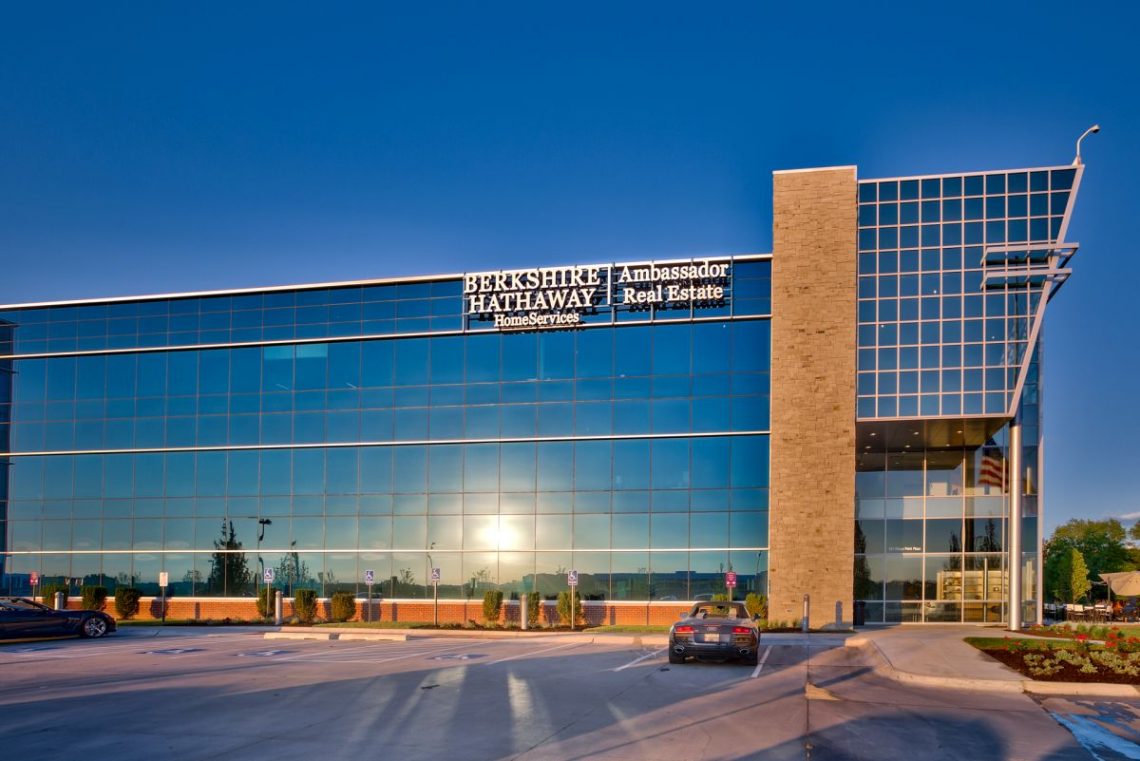
Berkshire Hathaway, under the leadership of Warren Buffett, has made headlines for its strategic approach to the recent litigation surrounding the real estate brokerage industry. With over $150 billion in cash reserves, the conglomerate has remained steadfast in its decision not to provide financial aid to clean up the sector’s legal quagmire, as indicated by Christopher Dusseault, an outside counsel for HomeServices.
The firm’s position sends a clear message that Berkshire Hathaway intends to discriminate between the interests of its subsidiaries and the potential ramifications for the broader industry. By refraining from a large settlement, Berkshire Hathaway has avoided setting a precedent that could make its various holdings targets for future litigation.
The litigation in question revolved around alleged duping of home sellers through artificially inflated commissions, resulting in a substantial jury verdict against the National Association of Realtors and major brokerages. To avert potential bankruptcy, HomeServices, a Berkshire-owned entity, contributed a sum of $250 million to the settlement, playing a crucial role in resolving the matter.
However, this settlement may not mark the definitive conclusion of the legal entanglement. Plaintiff attorney Benjamin Brown from Cohen Milstein mentioned that claims against Berkshire Hathaway Energy could still be pursued, emphasizing that the liability of Berkshire Hathaway’s entities in the real-estate brokerage litigation has not been fully accepted. This indicates that the conglomerate may continue to face legal challenges in this arena.
The resolution of this antitrust matter not only highlights Berkshire Hathaway’s approach to legal entanglements but also sheds light on its subsidiary’s individual liability within the broader scope of the litigation. As the company navigates these legal intricacies, the industry watches closely to gauge the repercussions and precedents set by Berkshire Hathaway’s actions.
 Market Capital Research