

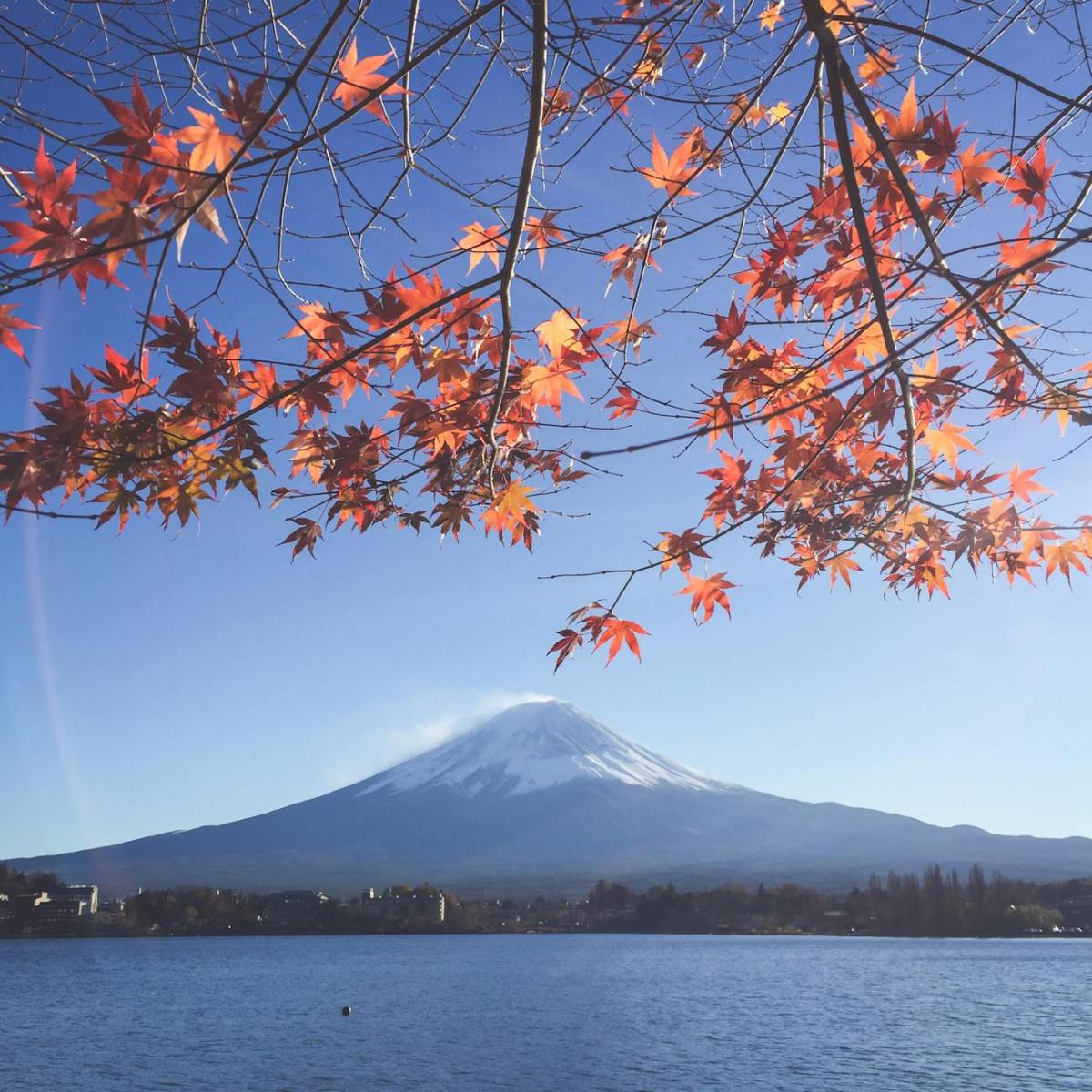
For months, Fujikawaguchiko, a charming Japanese resort town, has experienced an overwhelming influx of tourists eager to admire the breathtaking beauty of Mount Fuji, Japan’s tallest and most iconic mountain. Among the various highlights that have drawn attention is a particular parking lot, offering a stunning view of the majestic volcano in the background of a convenience store.
However, the surge in popularity of this spot, propelled by its social media recognition as a “very Japanese” location, has caused significant disruption. Reports have emerged of tourists disregarding parking regulations, leaving behind litter, and even resorting to climbing onto the roof of a nearby dental clinic in pursuit of the ideal photo angle.
As a response to these challenges, residents of Fujikawaguchiko have taken decisive action by initiating plans to install a substantial barrier to obstruct the view of Mount Fuji. Construction is scheduled to commence imminently, featuring a 2.5-meter-high mesh net extending 20 meters in length. While regrettable, this measure is deemed necessary due to the failure of some visitors to adhere to the established rules and regulations.
This initiative mirrors a broader trend within Japan, reflecting the country’s struggle to manage the repercussions of overtourism, a challenge amplified by the recent surge in visitor numbers. In March alone, monthly arrivals surpassed the three million mark for the first time, with tourist expenditure in the first quarter reaching a record high of 1.75 trillion yen (over $11 billion).
The predicament facing Fujikawaguchiko is not unique, with other popular destinations in Japan also implementing stringent measures to tackle disruptive tourist behaviors. Authorities in Kyoto recently prohibited visitors from wandering through the renowned narrow alleyways of the geisha district in Gion, following reports of inappropriate interactions with traditional entertainers despite explicit warnings.
Similarly, Yamanashi Prefecture, a key gateway for hikers beginning their ascent of Mount Fuji, announced plans to impose a ¥2,000 ($13) entry fee for climbers, a deliberate effort intended to alleviate congestion on the mountain trails.
The global resurgence of tourism has undoubtedly invigorated local economies, but it has also presented challenges for host communities. Notably, the historic city of Venice has introduced a pilot scheme to levy a fee on day visitors accessing the city center, while the Indonesian island of Bali recently implemented a tourist tax at the outset of this year.
 Market Capital Research